
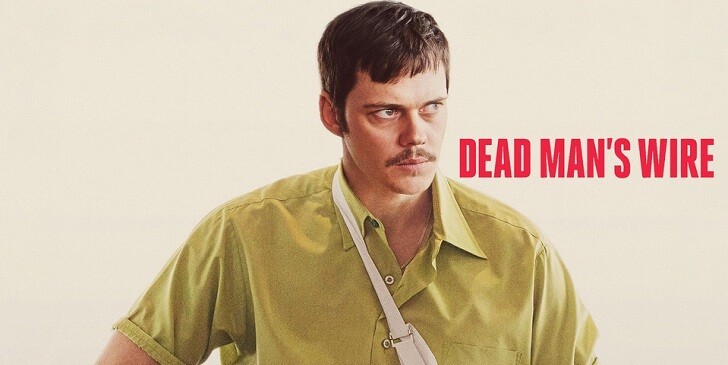
Dead Man's Wire is a tense modern thriller that reimagines a real-life crisis through the lens of contemporary power, media influence, and institutional accountability. The film centers on a man pushed to the absolute edge by financial ruin and systemic indifference, exploring what happens when someone believes that being heard is worth any risk.Show More
At the heart of the film is Tony Kiritsis, a man whose life has collapsed under debt, broken promises, and corporate negligence. Once confident in the fairness of the system, Tony slowly realizes that formal complaints, legal channels, and quiet persistence lead nowhere. His descent into desperation is portrayed not as sudden madness, but as the result of prolonged dismissal. The film carefully traces how frustration hardens into resolve, and how resolve transforms into an act that shocks the public into paying attention.
Opposite Tony stands Richard Hall, a corporate figure whose presence embodies modern power structures. Richard is not portrayed as a caricatured villain, but as someone shaped by reputation management, risk mitigation, and inherited authority. His decisions are calculated, strategic, and deeply influenced by optics. Through him, the film examines how corporations prioritize stability and image over human consequence, even when lives hang in the balance.
The story expands beyond a private confrontation as media coverage rapidly turns the standoff into a national event. Fred Temple, a radio host drawn into the unfolding crisis, represents the uneasy role of journalism in moments of public danger. His involvement highlights the tension between informing the public and influencing events in real time. The film raises difficult questions about whether exposure leads to accountability or merely amplifies chaos, especially when truth competes with narrative control.
M.L. Hall serves as a symbol of entrenched authority and generational power. His presence underscores how institutions protect themselves through distance, legal insulation, and moral detachment. Rather than engaging with the human cost of the crisis, he focuses on preserving structure and precedent. This contrast between lived desperation and institutional calm becomes one of the film’s most unsettling dynamics.
What sets Dead Man’s Wire apart is its refusal to offer simple moral conclusions. The film does not ask the audience to excuse extreme actions, nor does it fully endorse the systems that provoke them. Instead, it places viewers inside the discomfort of unresolved tension. Every character believes they are acting rationally, yet each choice tightens the trap around everyone involved. The result is a story that feels claustrophobic, emotionally raw, and disturbingly plausible.
The pacing is deliberate, allowing conversations, silences, and moments of hesitation to carry weight. The confined setting intensifies the psychological pressure, while the growing media presence reminds viewers how quickly private suffering becomes public consumption. The film’s modern setting amplifies these themes, reflecting a world where outrage spreads instantly, reputations are currency, and attention can be both weapon and shield.
Ultimately, Dead Man’s Wire is a film about visibility and value. It asks who is allowed to speak, who is protected when things go wrong, and what happens when someone decides they will no longer disappear quietly. By blending true-crime intensity with contemporary social commentary, the movie delivers a gripping, unsettling experience that lingers long after the final moment. It challenges audiences not just to judge the actions on screen, but to confront the systems that make such actions feel inevitable.




Wait!
Here're some popular quizzes for you.

