Last Updated: 17 Apr, 2026 | Views: 529
Age: 68
Profession: Politician
Other Profession(s): Lawyer, Activist
Higher Education: Duke University (BA), New York University (JD)
About (Profile/Biography):
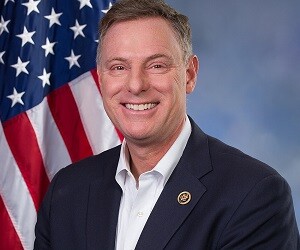
Scott Peters is an American lawmaker recognized for pragmatic centrism and policy depth in Congress. Representing coastal San Diego, he blends legal training, local governance, and business awareness into his legislative style. Before arriving in Washington, Peters served on the San Diego City Council and led the Port Commission, experiences that shaped his focus on infrastructure, trade, and shoreline management. In Congress, he is often described as solutions-oriented, working across party lines on energy innovation, public health, and coastal resilience. His district’s biotech corridor, busy port activity, and beach communities influence the issues he champions. Supporters praise his methodical approach and bipartisan votes, while critics argue he can be too industry-friendly on energy matters. Peters tends to prefer committee work and detailed bill crafting over cable-news debate. Across terms, his record reflects steady attention to science policy, climate adaptation, and regional economic growth anchored in San Diego’s innovation ecosystem.
Early Life and Education of Scott Peters
• He was born in Springfield, Ohio, and Scott’s Midwestern upbringing shaped his practical, consensus-seeking approach to civic duty early on.
• He graduated from Duke University, where Peters studied political science and sharpened debate and policy interests.
• He earned a law degree and MBA from New York University, strengthening Scott’s legal and business insight.
Legal and Local Government Career of Scott Peters
• He worked as an environmental attorney, and Scott handled complex regulatory cases involving land use, water quality, and compliance.
• Peters served on the San Diego City Council, where he focused on neighborhood planning, public safety funding, and budget discipline.
• He later chaired the Port of San Diego, and Scott oversaw waterfront development balancing trade growth with shoreline protection.
Congressional Career of Scott Peters
• He was elected to the U.S. House in 2012, and Scott emphasized science funding, coastal resilience, and cross-party legislation.
• Peters joined the Energy and Commerce Committee, where he worked on health policy, emissions rules, and technology innovation.
• He backed bipartisan caucuses, and Scott often co-sponsored bills with Republicans on research, veterans, and infrastructure topics.
Key Policy Focus Areas
• He supports climate adaptation strategies, and Scott promotes carbon capture, grid upgrades, and coastal erosion mitigation plans.
• Peters advances biomedical research funding, reflecting his district’s biotech presence and university research partnerships locally.
• He encourages trade and port modernization, and Scott highlights supply chains vital to San Diego’s maritime economy.
Controversies Around Scott Peters
• He drew criticism from some activists for engaging with energy companies, with opponents saying Scott was too industry-accommodating.
• Peters faced pushback over certain bipartisan votes, where critics argued he compromised too readily with opposing party agendas.
• He encountered debate on healthcare provisions, with some claiming Scott favored incremental reform over sweeping systemic change.
Awards and Recognitions Received by Scott Peters
• He received acknowledgments from science groups praising Scott’s consistent support for federal research and innovation funding.
• Peters earned coastal advocacy praise for policies protecting wetlands, beaches, and climate-resilient shoreline projects.
• He was recognized by business associations for promoting trade efficiency and infrastructure modernization through port initiatives.
Lesser-Known Facts About Scott Peters
• He is known for reading dense legislative text himself, and Scott frequently annotates drafts before committee markups begin.
• Peters enjoys long coastal walks, and he often uses them to think through policy ideas tied to shoreline protection themes.
• He keeps close ties with local universities, and Scott regularly meets researchers to understand emerging science firsthand.
Wait!
Here're some popular profiles for you.