Last Updated: 15 May, 2026 | Views: 549
Age: 50
Profession: Politician
Other Profession(s): Businessperson
Higher Education: University of Minnesota (BS)
About (Profile/Biography):
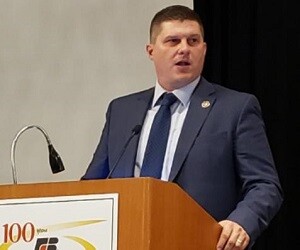
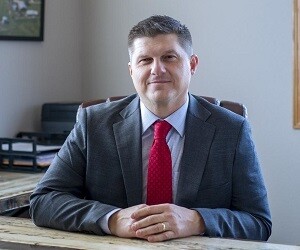
Brad Finstad is an American farmer, public servant, and politician known for representing Minnesota’s strong agricultural roots in national politics. Raised on a family farm in southern Minnesota, he grew up understanding rural life, hard work, and community responsibility from an early age. Over the years, Brad moved from local leadership roles into state and federal service, carrying his farm-first perspective wherever he went. He served in the Minnesota House of Representatives, worked in federal rural development under the USDA, and later won a seat in the U.S. House of Representatives. Known for his calm tone and practical thinking, he focuses on agriculture, rural economy, and small-town values. His journey reflects a blend of farming experience and policymaking, making him one of the few lawmakers with real soil-under-the-boots credibility in Washington.
Early Life and Farming Roots
• Brad grew up working daily on his family farm near New Ulm, where he learned machinery repair, crop cycles, and livestock care firsthand.
• He often says those early mornings in fields shaped his discipline, patience, and respect for weather, land, and rural neighbors.
• His upbringing among farmers made him deeply aware of how policies in Washington directly affect small-town livelihoods.
Entry into Public Service
• He began his political journey in the Minnesota House, where Brad focused on agriculture funding, education access, and rural job growth.
• Brad earned respect for listening more than speaking, often inviting farmers and teachers to explain problems before proposing solutions.
• His early legislative years built his image as a practical problem-solver rather than a headline-seeking politician.
Work with USDA Rural Development
• Brad served as State Director for USDA Rural Development in Minnesota, helping small towns secure grants for housing and infrastructure.
• He worked closely with rural hospitals, co-ops, and broadband projects, improving essential services often ignored in big cities.
• This role gave him federal experience while keeping him connected to ground realities of rural communities he represented.
Journey to the U.S. Congress
• Brad won a special election to represent Minnesota’s 1st District after a sudden vacancy, entering Congress during a politically tense period.
• He emphasized agriculture policy, veterans issues, and energy independence, reflecting priorities of southern Minnesota residents.
• Brad’s campaign style remained humble, focusing on county fairs, farm visits, and town halls rather than flashy media events.
Notable Controversy
• Brad faced criticism for voting against certain bipartisan spending bills, with opponents saying rural projects risked losing funds.
• He defended his votes by arguing against excessive federal spending and long-term debt burdens on future farm generations.
• This stance sparked debate locally, but Brad maintained support among voters who favored fiscal conservatism over quick funding.
Personal Style and Personality
• Brad is known for his soft-spoken tone, rarely raising his voice even during heated legislative debates in committees.
• He prefers one-on-one conversations with constituents, often meeting farmers in fields rather than formal office settings.
• Colleagues describe him as dependable, detail-oriented, and someone who reads every policy line before taking positions.
Less Known Facts
• Brad once considered staying full-time in farming and never entering politics until community leaders encouraged him to run.
• He has deep interest in agricultural technology and how precision farming can improve crop yields and soil conservation.
• Despite federal roles, Brad still spends time on tractors during planting and harvest seasons whenever possible.
Awards and Recognitions
• Brad has been recognized by Minnesota agricultural groups for consistently advocating farmer-friendly legislation and rural protections.
• He received appreciation from rural housing organizations for his USDA work that expanded affordable living in small towns.
• Local veteran associations have thanked Brad for his steady support toward healthcare and benefit access for former soldiers.
Wait!
Here're some popular profiles for you.