Last Updated: 28 Jul, 2026 | Views: 279
Age: 56
Profession: Politician
Other Profession(s): Barrister
Higher Education: Queen's University Belfast
About (Profile/Biography):
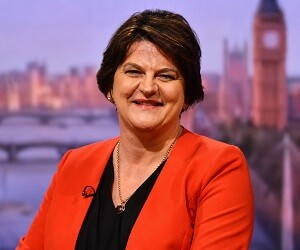
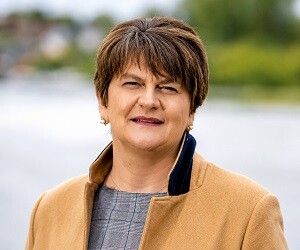
Arlene Foster, officially Baroness Foster of Aghadrumsee, is a British broadcaster, solicitor, and politician from Northern Ireland who served as First Minister of Northern Ireland between 2016–2017 and 2020–2021. Born on 17 July 1970 in County Fermanagh, Northern Ireland, she studied law at Queen's University Belfast before qualifying as a solicitor. Foster entered politics through the Northern Ireland Assembly and later became leader of the Democratic Unionist Party (DUP). She was the first woman to lead the DUP and the first woman to serve as Northern Ireland's First Minister. Known for her determined leadership, she has focused on economic development, unionism, investment, and strengthening Northern Ireland's institutions during periods of political uncertainty.
Early Life And Education of Arlene Foster
• Arlene studied Law at Queen's University Belfast, gaining legal expertise that later strengthened her political and public leadership career.
• Growing up in County Fermanagh during the Troubles shaped her commitment to democracy, public service, and community resilience from childhood.
• Young Arlene qualified as a solicitor before politics, building practical legal knowledge through professional work and public engagement experience.
Political Career of Arlene Foster
• Arlene entered the Northern Ireland Assembly in 2003, steadily advancing through senior ministerial roles before leading the Democratic Unionist Party.
• She served as Environment, Enterprise, and Finance Minister before becoming Northern Ireland's first female First Minister in 2016 successfully.
• Foster later joined the House of Lords and became Chair of Intertrade UK, continuing her contribution to public policy and governance.
Government Roles And Public Service of Arlene Foster
• She encouraged investment, tourism, and business growth to strengthen Northern Ireland's economy and create sustainable employment opportunities regionally.
• Arlene promoted infrastructure improvements, enterprise development, and closer cooperation between government departments to enhance public service delivery consistently.
• Her leadership emphasised constitutional stability, economic resilience, and protecting Northern Ireland's place within the United Kingdom throughout her tenure.
Major Controversies Around Arlene Foster
• Arlene faced significant criticism over the Renewable Heat Incentive (RHI) scheme, which triggered political instability and an independent public inquiry.
• She denied personal wrongdoing, while the inquiry identified governance shortcomings and recommended reforms to improve future administrative oversight processes.
• Foster also encountered internal party disagreements regarding Brexit and social policy, leading to her resignation as DUP leader in 2021.
Awards And Recognitions Received by Arlene Foster
• Arlene was created Baroness Foster of Aghadrumsee, recognising her long-standing contribution to politics and public service in Northern Ireland.
• She became the first woman to lead the Democratic Unionist Party and serve as Northern Ireland's First Minister, marking a historic achievement.
• Public policy forums have recognised her experience in constitutional affairs, economic development, and post-conflict governance through speaking engagements regularly.
Lesser Known Facts About Arlene Foster
• Before entering full-time politics, Arlene practised as a solicitor, developing valuable legal and professional experience in Northern Ireland successfully.
• She initially belonged to the Ulster Unionist Party before joining the Democratic Unionist Party, where she later became party leader.
• After frontline politics, Arlene became a broadcaster and commentator, sharing insights on leadership, governance, and current affairs across the United Kingdom.
Wait!
Here're some popular profiles for you.