Last Updated: 07 Apr, 2026 | Views: 679
Age: 86
Profession: Politician
Famous For: Cleric and former Supreme Leader of Iran
Higher Education: Islamic Seminary of Qom, Hawza of Najaf
About (Profile/Biography):
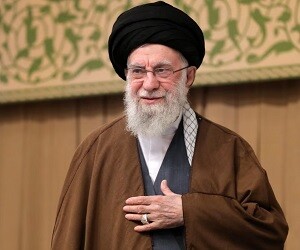
Ali Khamenei is Iran’s Supreme Leader and the country’s highest political and religious authority since 1989. Born in Mashhad in 1939, he trained as a Shiite cleric and became active in opposition to the Shah, enduring arrests and exile before the 1979 revolution. After the revolution, he held key posts, including president, before succeeding Ayatollah Khomeini as Supreme Leader. Khamenei’s leadership blends religious scholarship with centralized political oversight, shaping Iran’s domestic direction and regional posture for decades. He is known for cautious rhetoric, strategic patience, and firm positions on sovereignty and Western relations. His office influences the military, judiciary, media, and major policy lines, making him central to Iran’s governance architecture. Supporters view him as a guardian of revolutionary principles, while critics argue his system limits political freedoms. His long tenure has defined Iran’s modern era across wars, sanctions, negotiations, and internal debates.
Early Life and Religious Education of Ali Khamenei
• He grew up in Mashhad in a clerical family, where Ali studied Quran, jurisprudence, and Arabic literature from respected local scholars.
• Khamenei continued seminary studies in Qom, absorbing revolutionary ideas alongside classical Shiite teachings and debate traditions.
• He translated and wrote religious texts in youth, showing Ali’s early interest in literature, pedagogy, and persuasive communication.
Revolutionary Activities of Ali Khamenei
• He opposed the Shah’s rule through sermons and networks, leading to arrests, surveillance, and periods of internal exile for Ali.
• Khamenei helped organize clerical resistance circles, using mosques as spaces for political education and mobilization efforts.
• He survived a 1981 assassination attempt that injured his arm, shaping Ali’s guarded public style and security consciousness.
Rise to Leadership of Ali Khamenei
• He served as Iran’s president from 1981 to 1989 during war years, gaining administrative experience under severe pressures.
• After Ayatollah Khomeini’s death, Ali was selected as Supreme Leader, marking a pivotal transition in the republic’s authority.
• Khamenei built advisory councils and oversight channels, centralizing long-term policy direction across key state institutions.
Governance and Influence of Ali Khamenei
• He oversees the armed forces and appoints judiciary and media heads, giving Ali decisive influence over national priorities.
• Khamenei emphasizes self-reliance and resistance economy themes, guiding policy during sanctions and diplomatic negotiations.
• He frequently addresses youth and scholars, using speeches to frame cultural debates and ideological continuity lines.
Major Controversies Around Ali Khamenei
• His leadership faced global criticism after the 2009 election protests, with opponents alleging limits on dissent and assembly.
• Khamenei’s stance on media controls and political vetting draws debate over pluralism and competitive electoral space.
• Regional policies linked to allied groups invite scrutiny abroad, fueling disputes over Iran’s role in neighboring conflicts.
Awards and Recognitions Received by Ali Khamenei
• He holds high clerical titles within Shiite scholarship, reflecting recognition from seminaries for Ali’s religious expertise.
• State institutions honor Khamenei for wartime leadership and continuity of revolutionary governance frameworks.
• Cultural bodies commend his writings and translations, noting Ali’s contributions to religious literature and commentary.
Lesser Known Facts About Ali Khamenei
• He is an avid reader of poetry and novels, and Ali often quotes Persian literature during sermons and meetings.
• Khamenei reportedly sketches calligraphy in private time, reflecting a quiet artistic interest beyond public duties.
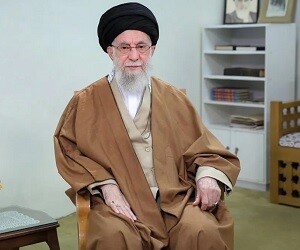
• He prefers modest office settings with extensive bookshelves, underscoring Ali’s lifelong attachment to study and texts.
Wait!
Here're some popular profiles for you.