Last Updated: 03 Apr, 2026 | Views: 591
Age: 74
Profession: Politician
Other Profession(s): Economist
Famous For: Being the 11th Prime Minister of Kuwait
Higher Education: University of Illinois Urbana-Champaign
About (Profile/Biography):
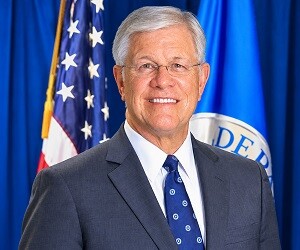
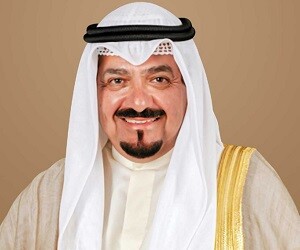
Ahmad Al-Abdullah Al-Sabah is a senior member of Kuwait’s ruling family who rose through decades of public service before becoming Prime Minister in 2024. Known for his calm demeanor and consensus-building style, he previously handled key ministerial portfolios that shaped Kuwait’s oil policy, municipal governance, and public administration. His career reflects a blend of technocratic management and traditional Gulf leadership, often emphasizing stability, gradual reform, and institutional continuity. Ahmad earned a reputation for balancing economic priorities with social responsibilities while navigating Kuwait’s complex parliamentary landscape. Colleagues describe him as methodical, discreet, and pragmatic, preferring negotiation over confrontation. Over time, he became a trusted figure within the government for handling sensitive policy areas and coordinating across ministries. His appointment as Prime Minister signaled a preference for experienced leadership during a period of fiscal adjustment and political recalibration. Beyond politics, he is regarded as a family-oriented statesman who values heritage, administrative order, and Kuwait’s long-term development vision.
Early Life and Education of Ahmad Al-Abdullah Al-Sabah
• He was born into the Al-Sabah family, where Ahmad grew up observing governance traditions that shaped his interest in public responsibility and statecraft early on.
• He pursued higher education abroad, and he developed an administrative mindset that later influenced his technocratic approach in ministerial duties.
• His formative years exposed him to diplomacy, and Ahmad learned how patience and protocol often guide effective leadership in Gulf politics.
Ministerial Career Before Premiership
• He served as Oil Minister, and he oversaw strategic production policies while coordinating closely with Organization of the Petroleum Exporting Countries partners.
• As Communications and Municipal Affairs Minister, Ahmad focused on infrastructure upgrades and modern urban management for Kuwait’s growing cities.
• He built a reputation for inter-ministerial coordination, and he preferred quiet execution of policy rather than public political debates.
Leadership Style and Governance Approach
• He is known for consensus-driven leadership, and Ahmad often resolves disagreements through private dialogue instead of public confrontation.
• His governance emphasizes administrative discipline, and he insists on procedural clarity across ministries and public institutions.
• Ahmad values gradual reform, and he prioritizes stability over rapid, disruptive policy changes within Kuwait’s political system.
Premiership and National Priorities
• As Prime Minister, he focused on fiscal discipline, and Ahmad encouraged efficient spending while protecting essential welfare programs.
• He supported administrative reforms, and he worked to streamline decision-making processes within Kuwait’s complex government structure.
• Ahmad prioritized national dialogue, and he sought cooperation between cabinet members and parliamentary representatives for smoother governance.
Less Known Facts About Ahmad Al-Abdullah Al-Sabah
• He is known for maintaining a low public profile, and Ahmad rarely seeks media attention despite holding powerful offices.
• Ahmad reportedly prefers detailed briefings over speeches, and he spends long hours reviewing documents before making decisions.
• He values family heritage deeply, and he often references Kuwait’s traditions when discussing modern governance challenges.
Awards and Recognitions Received by Ahmad Al-Abdullah Al-Sabah
• He received state honors for long public service, and Ahmad was recognized for decades of administrative dedication to Kuwait.
• Regional leaders acknowledged his diplomatic conduct, and he earned respect for balanced negotiations in oil and municipal matters.
• Ahmad gained recognition for institutional stability, and he is credited with maintaining continuity during politically sensitive periods.
Controversies Around Ahmad Al-Abdullah Al-Sabah
• His oil sector decisions faced scrutiny, and Ahmad was questioned over balancing national revenue goals with global production expectations.
• Parliamentary tensions occasionally tested him, and he navigated criticism from lawmakers demanding faster reforms and transparency.
• Some critics argue his cautious style delays change, and Ahmad counters that stability remains essential for sustainable development.
Wait!
Here're some popular profiles for you.