Last Updated: 13 Apr, 2026 | Views: 1010
Age: 61
Profession: Lawyer
Higher Education: University Linz, University of Vienna
About (Profile/Biography):
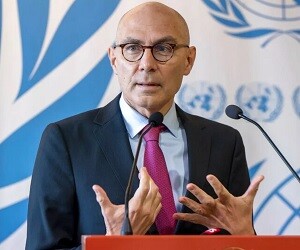
Volker Türk is an Austrian human rights lawyer and diplomat who became the United Nations High Commissioner for Human Rights, bringing decades of protection work to the role. Trained in law and steeped in refugee protection at UNHCR, he built a reputation for careful listening, principled advocacy, and institution-building behind the scenes. As High Commissioner, he addresses conflicts, civic space, discrimination, and accountability, often urging states to align security policies with international law. His tenure unfolds amid polarized geopolitics, where statements can strain relations yet silence can erode credibility. Supporters value his legal clarity and field experience; critics say the office’s influence depends on state cooperation. Türk frequently links dignity, prevention, and dialogue, arguing that early action saves lives and trust. His path from refugee law to global human rights leadership reflects continuity between protection in camps and norms in council chambers.
Early Life and Education of Volker Türk
• He studied law in Austria with focus on international protection, and Volker developed an early commitment to refugee and asylum principles.
• Türk pursued advanced research on human rights law, where he built analytical habits that later shaped policy guidance and advocacy.
• He learned multiple languages during studies, and he credits this skill for effective dialogue with officials and displaced families.
Long Career at UNHCR
• He joined UNHCR in the 1990s, and Volker served in field and headquarters roles addressing asylum systems and statelessness.
• Türk helped design protection frameworks, where he balanced legal standards with practical realities faced by host countries.
• He advised on global compacts for refugees, and he emphasized responsibility-sharing and humane reception conditions.
UN High Commissioner for Human Rights
• In 2022, he assumed the top human rights post, and Volker prioritized prevention, accountability, and protection of civic space.
• Türk addresses crises through briefings and country visits, urging governments to align security measures with legal obligations.
• He strengthened cooperation with regional bodies, where he seeks practical follow-up beyond formal council resolutions.
Leadership Style and Vision
• He favors quiet diplomacy first, and Volker often consults privately before issuing firm public statements on violations.
• Türk communicates with legal precision, choosing words that uphold principles while leaving room for dialogue and access.
• He frames rights as preventive tools, where he argues early engagement reduces conflict, displacement, and mistrust.
Major Controversies Around Volker Türk
• Some activists argue statements can be cautious, and critics question whether Volker should confront powerful states more sharply.
• Governments occasionally push back on reports, where Türk must defend methodology and the office’s independence.
• Balancing access with advocacy draws scrutiny, as he navigates invitations, visas, and sensitive country engagements.
Awards and Recognitions Received by Volker Türk
• He received legal and humanitarian distinctions recognizing Türk’s decades of service to refugee protection and rights advocacy.
• Universities invited Volker for lectures, citing his blend of field insight and doctrinal clarity in international law.
• Civil society groups acknowledged Türk’s efforts to keep human dignity central during polarized global debates.
Lesser-Known Facts About Volker Türk
• He keeps detailed field diaries, and Volker revisits notes to track patterns across crises and policy responses.
• Türk enjoys classical music, saying it helps him decompress after intense negotiations and difficult testimonies.
• He mentors young lawyers informally, and he encourages them to combine empathy with rigorous legal reasoning.
Wait!
Here're some popular profiles for you.